
It’s Time to Update Your Kitchen
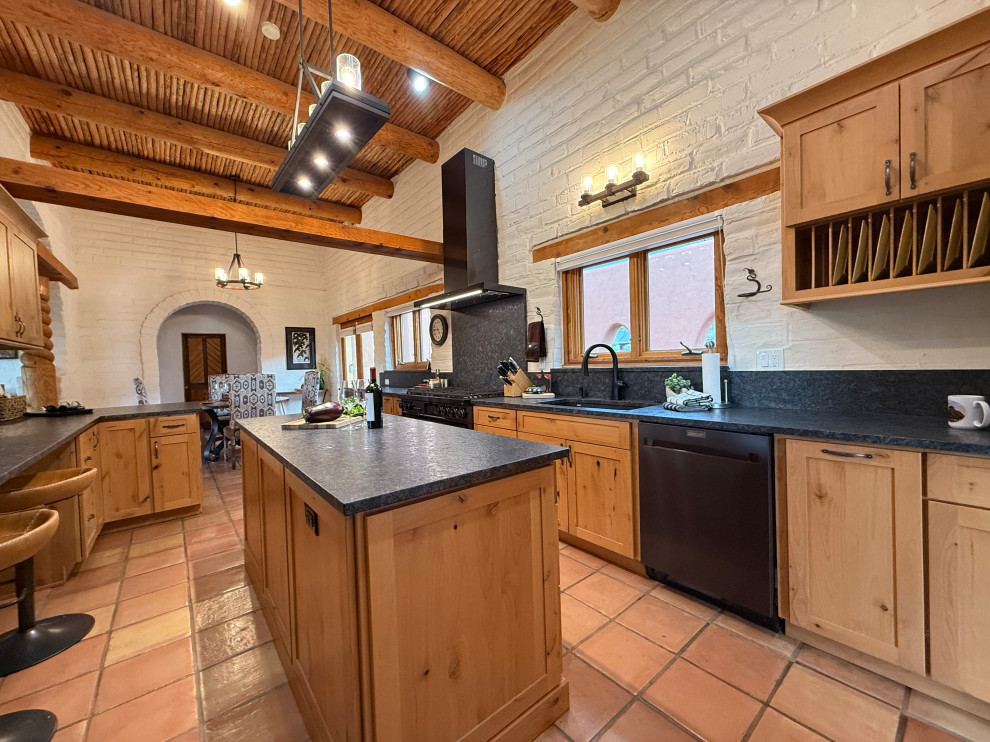
A kitchen does not need to be falling apart to stop working for you.
Sometimes the signs are obvious. Cabinet doors no longer close properly, countertops are showing their age, or the appliances have become unreliable.
Other times, the problem is harder to name. The kitchen still functions, but it no longer fits the way you live.
You may find yourself walking back and forth while preparing a meal because the layout feels disconnected. Guests gather in the kitchen, but there is nowhere comfortable for them to sit without getting in the way. You have plenty of cabinets, yet the things you use every day are never where you need them.
The finishes may still be in good condition, but they reflect a version of your home, or your life, that you have outgrown.
That is often a sign that it is time to consider more than a cosmetic refresh.
Your Kitchen Should Fit the Way You Live Now
Many kitchens were designed for a different household, a different era, or a different set of priorities.
Your family may have grown since you moved into the home. You may entertain more often, cook differently, or want the kitchen to feel more connected to the surrounding living spaces. Even small changes in your routine can make an outdated layout feel increasingly frustrating.
A thoughtful kitchen design starts with how you use the room.
For someone who hosts regularly, that may mean creating space where guests can gather while food is being prepared. A busy household may need better organization, durable materials, and a layout that makes mornings easier. Someone who loves to cook may need more counter space, specialized storage, or appliances placed around the way they naturally move through the kitchen.
There is no single formula for a luxury kitchen. True luxury is a space designed around your routines, preferences, and priorities.
The Layout Is Creating More Work
One of the clearest signs that a kitchen needs to be updated is when the layout makes everyday tasks harder than they should be.
The refrigerator may feel too far from the main prep area. The island may interrupt the natural path through the room. An open appliance door may block a walkway, or two people may not be able to use the kitchen comfortably at the same time.
These inconveniences may seem small, but they affect how the room feels every day.
A thoughtful redesign can improve movement through the kitchen, create clear zones for cooking and gathering, and make better use of the space already available.
In some homes, that requires a major reconfiguration. In others, a few strategic changes can completely transform how the room functions.
The goal is not to add more for the sake of adding more. It is to make every part of the kitchen work better together.
You Have Storage, but Not the Right Storage
A kitchen can have plenty of cabinetry and still feel cluttered.
Deep shelves become hiding places for small appliances and serving pieces. Everyday items are pushed to the back of cabinets, while other areas go unused because they were never designed with a clear purpose.
Custom cabinetry creates the opportunity to design storage around what you actually own and use.
That may include dedicated spaces for cookware, pantry items, small appliances, entertaining pieces, pet supplies, or a coffee station that keeps the morning routine contained.
Good storage should feel natural and intuitive. It should make the kitchen easier to use while reducing the visual clutter that competes with the beauty of the space.
The Finishes No Longer Fit the Home
Sometimes the kitchen functions reasonably well, but it feels disconnected from the rest of the house.
The cabinetry may be too dark for the room, the countertops may compete with other finishes, or the overall style may reflect a trend that no longer feels current. In an open-concept home, that disconnect becomes even more noticeable because the kitchen is part of the larger living space.
Updating the kitchen creates an opportunity to bring more continuity to the home.
That does not mean every room needs to look the same. It means the materials, colors, proportions, and architectural details should feel connected.
A kitchen in an Arizona desert home may call for a different palette and material story than one surrounded by mountain views. In both cases, the design should feel grounded in its setting and connected to the architecture of the home.
A Cosmetic Refresh May Not Solve the Real Problem
New paint, hardware, and lighting can make a meaningful difference when the foundation of the kitchen is strong.
They cannot correct a poorly planned layout, inadequate storage, limited lighting, or cabinetry that was never designed for the space.
Replacing finishes without addressing those issues may create a prettier kitchen, but it may not create a better one.
Before deciding how much to change, it is important to understand what is causing the frustration. A kitchen that feels dated may only need a thoughtful refresh. A kitchen that no longer functions well may require a more complete redesign.
Making that distinction early helps ensure the investment improves both the appearance of the kitchen and the experience of using it.
Do Not Wait Until You Are Completely Frustrated
Homeowners often wait until they can no longer tolerate their kitchen before beginning the design process.
By that point, every inconvenience feels urgent, and decisions can become reactive.
Starting earlier gives you the time and space to be intentional. You can consider how you want the room to feel, what is worth preserving, and which changes will make the greatest difference.
It also gives you more freedom to select cabinetry, lighting, materials, and furnishings that fit the overall vision rather than choosing based only on what is available right away.
Updating a kitchen is an investment in the value of the home, but it is also an investment in everyday life.
When the design is approached thoughtfully, the result is more than a beautiful room. It is a kitchen that feels easier to use, more connected to the rest of the home, and more personal to the people who live there.
At DIC Design Group, we design kitchens around the way our clients live, bringing thoughtful function and timeless luxury into every detail.
Where desert luxury meets mountain elegance.
Tina