
Designing Luxury Short-Term Rentals with ROI
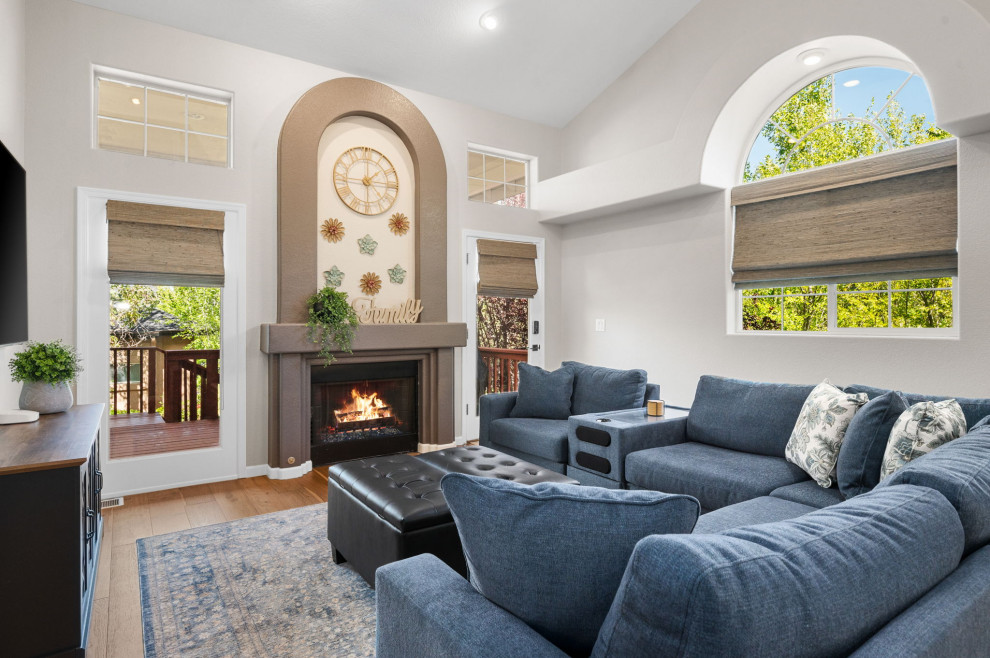
A successful luxury short-term rental has to do more than look beautiful in listing photos.
It needs to attract the right guests, earn strong reviews, withstand frequent use, and continue performing long after the initial launch. Every design decision should support both the guest experience and the financial goals of the property.
That is where strategic interior design makes a measurable difference.
Luxury does not come from filling a rental with expensive furniture or following every current trend. It comes from creating a thoughtful, memorable, and highly functional environment that feels worth the nightly rate.
Start with the guest you want to attract
Before selecting finishes or ordering furniture, it is important to understand who the property is designed to serve.
A rental created for couples planning a quiet desert retreat should feel different from a mountain home intended for multigenerational family vacations. A property marketed toward golf travelers may need dedicated equipment storage, outdoor gathering areas, and comfortable bedrooms for groups. A wellness-focused rental may benefit from calming colors, uncluttered spaces, quality linens, and areas for movement or meditation.
Trying to appeal to everyone often creates a property that feels generic.
A stronger approach is to design for a clearly defined guest and then make choices that support how that guest wants to spend their time. This creates a more cohesive property, stronger marketing, and a stay that feels intentional from the moment someone walks through the door.
Invest in the moments guests remember
Guests may choose a rental because of the location, but the experience inside the home often determines the review they leave.
The most valuable design features are not always the most obvious ones. They are often the details that make the stay easier, more comfortable, or more memorable.
That might include:
- A kitchen that allows several people to cook and gather comfortably
- A dining area large enough for the property’s full guest capacity
- Bedrooms with quality mattresses, blackout window treatments, and convenient charging access
- Outdoor spaces designed for conversation, dining, and enjoying the surroundings
- Entry areas with practical storage for shoes, bags, coats, or recreational equipment
- Lighting that creates atmosphere while still supporting everyday tasks
- Living spaces that photograph beautifully and remain comfortable for an entire group
These choices influence more than aesthetics. They can support higher nightly rates, stronger reviews, repeat bookings, and more positive word-of-mouth referrals.
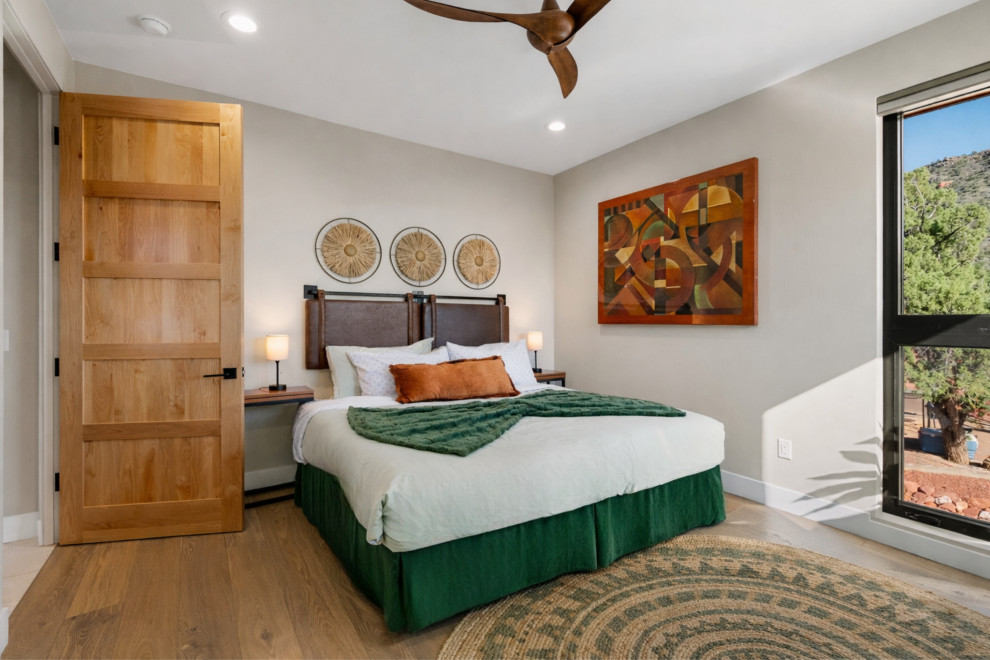
Design for the camera and the real experience
Online listings are highly visual, so a rental needs to capture attention quickly. Guests often make initial decisions based on a small set of photographs viewed among dozens of competing properties.
A strong design gives the photographer clear moments to feature.
This does not mean every room needs a dramatic statement wall or an oversized piece of art. Too many competing design features can make a home feel busy and dated. Instead, each space should have a clear focal point and a consistent visual story.
A distinctive fireplace, an inviting outdoor lounge, a sculptural light fixture, or a beautifully styled dining area can become part of the property’s identity.
Those features still need to work once the guest arrives. Furniture should be comfortable. Walkways should be clear. Lighting should be easy to understand. Storage should be available. A property that looks impressive online but feels inconvenient in person will struggle to earn the reviews needed for long-term performance.
Choose materials for beauty and durability
Short-term rentals experience more wear than most private homes. Luggage rolls across floors, dining chairs move constantly, and furniture, linens, and surfaces are used by new guests week after week.
Materials need to be selected with that reality in mind.
Durability does not require sacrificing luxury. Performance fabrics, quality commercial-grade furnishings, washable rugs, resilient flooring, and easy-to-maintain surfaces can still create an elevated look.
In many cases, spending strategically at the beginning reduces replacement costs later.
A lower-priced sofa that needs to be replaced after a few busy seasons may cost more than a well-constructed piece selected for frequent use. The same applies to flooring, plumbing fixtures, outdoor furniture, and bedding.
The goal is not to choose the most expensive option. It is to choose the option that supports the property’s design, use, maintenance needs, and expected return.
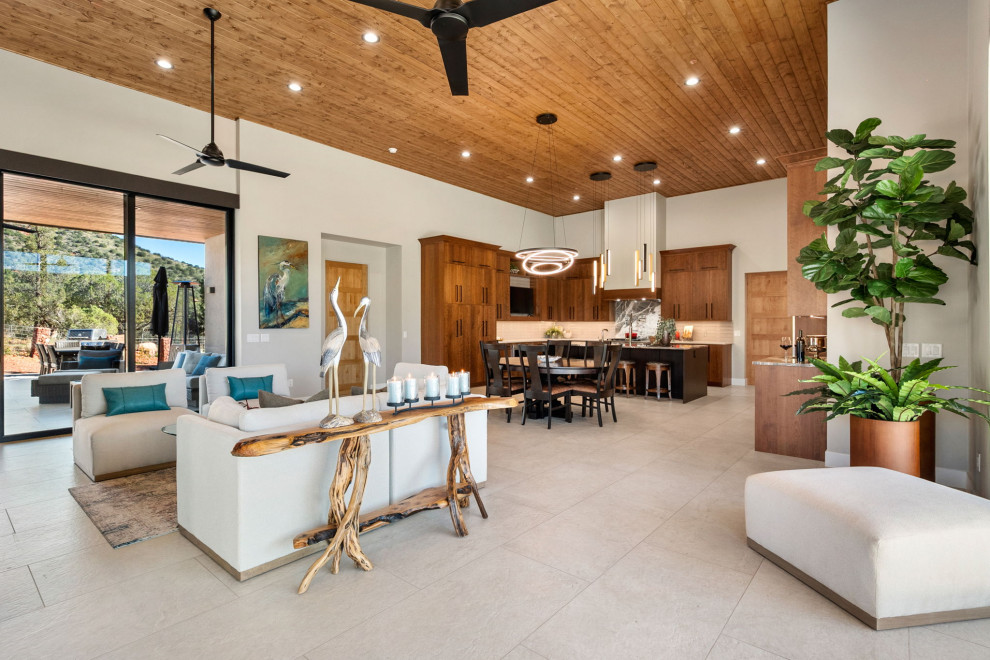
Create a layout that supports the advertised capacity
A rental may technically sleep ten people, but it should also allow ten people to gather, eat, relax, and move through the property comfortably.
This is one of the most common places where short-term rentals fall short.
A large number of beds may increase the listed capacity, but guests will notice when the dining table only seats six or the living room cannot accommodate the full group. Bathrooms, kitchen storage, outdoor seating, and circulation space should also be considered in relation to the number of guests.
Strategic space planning helps the property feel generous and functional, even when the square footage is limited.
It can also reveal opportunities to improve revenue without compromising comfort, such as adding a flexible bunk room, creating a second gathering area, or turning an underused patio into a valuable outdoor living space.
Make maintenance part of the design plan
A luxury rental should feel polished for every guest, not only during the first few months after installation.
Cleaning, turnovers, repairs, and replacements are part of the operating model, so they should also be part of the design conversation.
Open shelving filled with delicate accessories may look attractive in photographs, but it can slow down cleaning and create ongoing replacement costs. Light-colored upholstery may work well when the correct performance fabric is selected, but it can become a liability when material quality is overlooked.
Even small decisions matter. Furniture should allow cleaning teams to move efficiently. Replacement items should be easy to source. Owners should have secure storage for supplies, linens, and personal items. Décor should feel complete without creating unnecessary clutter.
A property that is easier to maintain is more likely to remain consistent, and consistency is essential for protecting ratings and revenue.
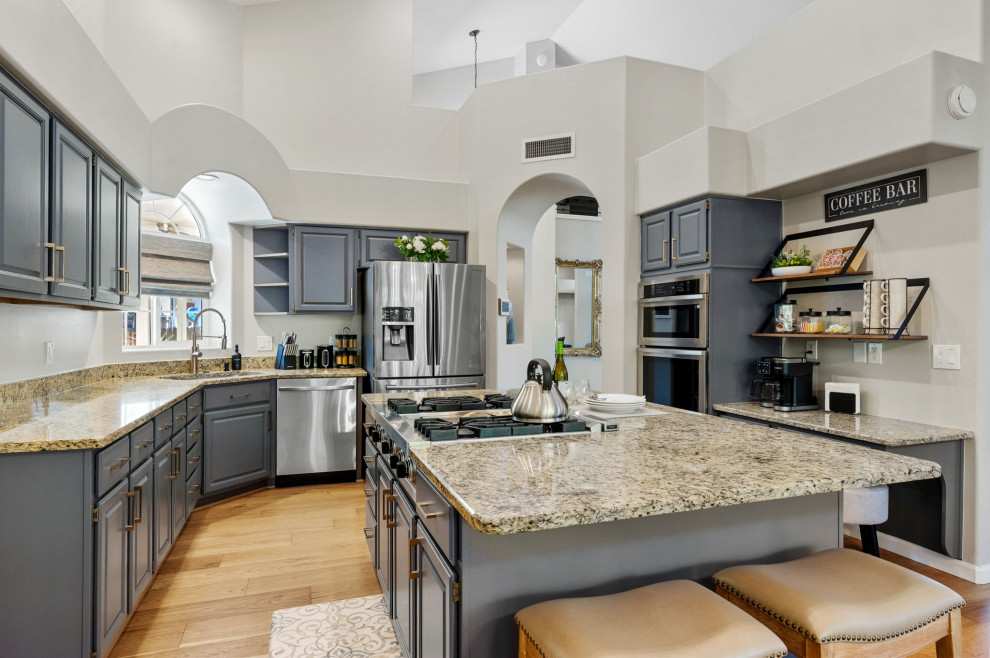
Avoid designing around short-lived trends
Guests expect a luxury rental to feel current, but chasing every design trend can shorten the life of the investment.
Highly specific colors, novelty décor, or trendy furniture silhouettes may photograph well today and feel dated within a few years. Replacing them repeatedly adds cost and can create an inconsistent property identity.
A better approach is to build the space around timeless materials, a strong sense of place, and a restrained palette. Trends can then be introduced through smaller pieces that are easier to update, such as pillows, artwork, accessories, and styling details.
In Arizona, that may mean drawing from desert textures, natural stone, warm wood, and indoor-outdoor living. In a mountain property, it may include tactile materials, layered lighting, and spaces designed around views and gathering.
The property should reflect its surroundings without becoming themed.
Consider the full return on the design investment
ROI in a short-term rental is not tied to one single feature. It comes from the way the entire property performs.
Thoughtful design can help an owner:
- Increase perceived value
- Support premium nightly rates
- Improve listing photography
- Earn stronger guest reviews
- Reduce maintenance and replacement expenses
- Appeal to a more specific and profitable audience
- Create consistency across the guest experience
- Differentiate the property from nearby competition
These results are more likely when design decisions are made as part of a complete strategy rather than one room, purchase, or trend at a time.
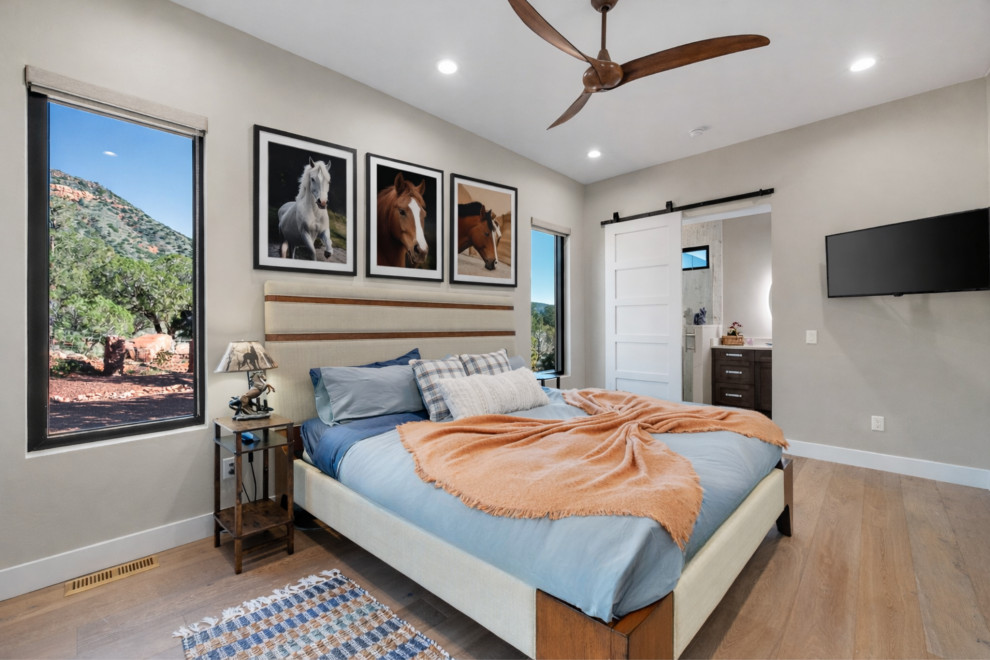
Luxury should feel effortless
The strongest luxury short-term rentals make guests feel that everything has been considered.
The layout works. The furniture is comfortable. The lighting feels warm. The home connects to its setting, and each space supports the experience promised in the listing.
That sense of ease is not accidental. It is the result of careful planning, durable selections, and a clear understanding of how design can support both hospitality and profitability.
At DIC Design Group, every property begins with its own goals, audience, location, and opportunities. There is no one-size-fits-all formula for creating a successful luxury rental.
The right design should give guests a stay they remember and give owners an investment built to perform.
Where desert luxury meets mountain elegance.